
Commercial properties depend on reliable electrical systems every day. Lighting, computers, security systems, HVAC equipment, refrigeration, machinery, point of sale systems, and other essential equipment all require stable power.
When electrical issues develop, they can affect productivity, safety, and day to day business operations. Regular commercial electrical inspections can help identify potential problems early and give property owners a clearer understanding of the condition of their electrical system.
For businesses in Atlanta, Brookhaven, Chamblee, Dunwoody, and surrounding communities, routine inspections can be an important part of maintaining a safe and dependable property.
What Is a Commercial Electrical Inspection?
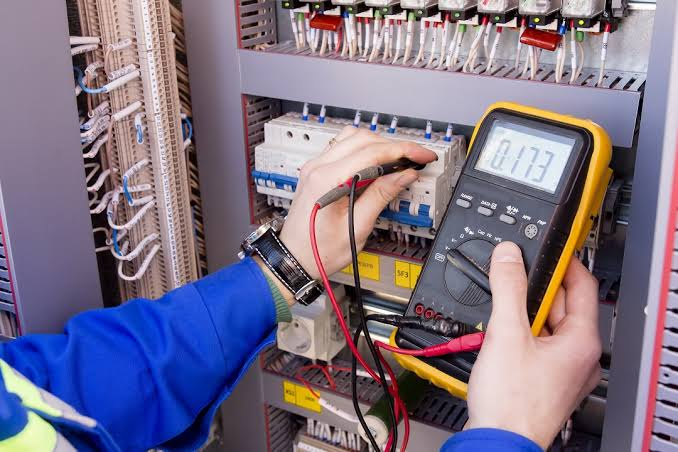
A commercial electrical inspection is a professional evaluation of key parts of a building’s electrical system.
The purpose is to identify visible concerns, performance issues, outdated components, unsafe conditions, and areas that may need maintenance or repair.
Depending on the property, an inspection may include:
Electrical panels
Circuit breakers
Wiring
Outlets and receptacles
Lighting systems
Emergency lighting
Electrical connections
Grounding
Dedicated circuits
Service equipment
Power distribution
Signs of overheating
Code related concerns
Not every inspection will involve the same checks. The scope depends on the size of the property, electrical system, type of business, and reason for the inspection.
Why Commercial Electrical Inspections Are Important
Electrical problems are not always obvious.
A system may appear to work normally while loose connections, overloaded circuits, damaged components, or aging equipment are developing behind the scenes.
Regular inspections can help businesses identify these issues before they become larger problems.
1. Reduce the Risk of Unexpected Electrical Problems
Unexpected power issues can disrupt normal operations.
A tripping breaker, failed circuit, damaged outlet, or electrical panel problem can affect equipment and interrupt business activity.
Routine inspections can help identify warning signs before a failure occurs.
This does not mean every issue can be predicted, but regular maintenance gives businesses a better chance of finding developing problems early.
2. Identify Overloaded Circuits
Commercial buildings often change over time.
New computers, equipment, appliances, lighting, and technology may be added without evaluating whether existing circuits can comfortably support the additional load.
Overloaded circuits may cause:
Frequent breaker trips
Overheating
Unstable power
Equipment interruptions
Electrical safety concerns
A commercial electrician can evaluate how circuits are being used and recommend upgrades when needed.
3. Check Electrical Panels and Breakers
The electrical panel is one of the most important parts of a commercial electrical system.
It distributes power throughout the building and helps protect circuits from unsafe conditions.
During an inspection, electricians may look for issues such as:
Loose connections
Damaged breakers
Signs of overheating
Corrosion
Improper labeling
Overloaded circuits
Outdated components
A panel that is not functioning properly can affect multiple areas of a property.
Signs Your Business May Need an Electrical Inspection
You do not need to wait for a complete electrical failure before scheduling an inspection.
Several warning signs may indicate that professional evaluation is a good idea.
Frequent Breaker Trips
A breaker that trips repeatedly may be responding to an overloaded circuit, damaged equipment, wiring issue, or another electrical problem.
Repeatedly resetting the breaker without identifying the cause is not a long term solution.
Flickering or Dimming Lights
Commercial lighting that regularly flickers or dims may indicate loose connections, circuit issues, or inconsistent power.
The cause may be minor, but recurring lighting problems should be investigated.
Warm or Discolored Outlets
Outlets, switches, or electrical components that feel unusually warm can indicate a poor connection or excessive electrical load.
Discoloration may also be a sign of overheating.
Burning Smells
An unexplained burning smell near an electrical panel, outlet, fixture, or equipment connection should be treated seriously.
Turn off affected equipment when it is safe to do so and contact a qualified electrician.
Buzzing Electrical Equipment
Electrical equipment should not normally produce persistent buzzing or crackling sounds.
These sounds can sometimes indicate loose connections, failing components, or electrical arcing.
Commercial Properties Change Over Time
One reason inspections matter is that commercial spaces rarely stay exactly the same.
Businesses may add:
New workstations
Additional lighting
Kitchen equipment
Refrigeration equipment
Security systems
Network equipment
Machinery
Charging equipment
New rooms or offices
Tenant improvements
Every change can affect electrical demand.
A system that was suitable for the original layout may need upgrades after years of expansion or remodeling.
Electrical Inspections During Commercial Remodeling
Commercial remodeling is a good time to review the electrical system.
Renovations may involve:
Moving walls
Adding rooms
Installing new lighting
Relocating outlets
Adding equipment
Changing occupancy
Expanding work areas
Upgrading technology
Electrical planning should be part of the project from the beginning.
A commercial electrician in Brookhaven, Atlanta, Chamblee, or Dunwoody can help evaluate existing capacity and determine what upgrades may be needed before new equipment or circuits are installed.
Preventive Maintenance Can Help Reduce Disruptions
Electrical maintenance is easier to manage when it is planned.
Emergency repairs often happen at inconvenient times and may interrupt normal business operations.
Preventive maintenance allows businesses to address known issues on a planned schedule.
Examples may include:
Tightening electrical connections
Replacing damaged breakers
Repairing worn outlets
Correcting panel issues
Updating lighting components
Testing circuits
Addressing overloaded circuits
Improving circuit labeling
Regular inspection and maintenance can help reduce the likelihood of avoidable electrical problems.
Why Panel Maintenance Matters
Commercial electrical panels handle significant electrical demand.
Over time, components can loosen, breakers can wear, and changes to the building can increase electrical load.
A panel inspection can help determine whether the system is still appropriate for the property.
Signs that a commercial panel may need attention include:
Frequent breaker trips
Warm panel components
Burning smells
Buzzing sounds
Visible corrosion
Limited circuit space
Repeated electrical problems
Recent equipment additions
If your business has expanded since the panel was originally installed, a service capacity review may also be helpful.
Lighting Systems Should Be Inspected Too
Commercial lighting is often one of the most heavily used electrical systems in a building.
Lighting problems can affect:
Visibility
Employee comfort
Customer experience
Security
Energy use
Workplace safety
Inspections can help identify failing fixtures, damaged wiring, outdated lighting components, and opportunities for upgrades.
Businesses may also consider LED lighting upgrades when older systems require frequent maintenance.
Emergency and Exit Lighting
Some commercial properties rely on emergency lighting and illuminated exit signs for safe evacuation.
These systems should be maintained and tested according to applicable requirements.
An electrical inspection can help identify damaged fixtures, power issues, or other problems that may affect emergency lighting performance.
Commercial Electrical Inspections and Code Compliance
Electrical codes and requirements are designed to support safe installation and operation.
Commercial properties can become noncompliant over time because of:
Unapproved modifications
Improper repairs
Old equipment
Tenant improvements
New equipment installations
Changes in building use
An inspection can help identify areas that may need correction.
However, businesses should understand that a general electrical inspection is not always the same as an official government inspection or certification.
If permits or formal approvals are required, local authorities may have additional requirements.
When Should a Commercial Property Be Inspected?
There is no single inspection schedule that fits every business.
The right timing depends on building age, equipment, electrical demand, previous repairs, and business operations.
Consider scheduling an inspection when:
You move into a new commercial property
You purchase an older building
You are planning a remodel
You install new electrical equipment
Your breakers trip frequently
You experience recurring lighting problems
You notice unusual electrical smells or sounds
Your property has not been inspected in several years
Your business has expanded significantly
You want to establish a preventive maintenance plan
High use properties may benefit from more frequent evaluation than small offices with limited electrical demand.
Electrical Maintenance for Atlanta Businesses
Commercial properties throughout Metro Atlanta range from small offices and retail spaces to restaurants, warehouses, and larger facilities.
Each type of property has different electrical demands.
Knock Out Electric provides commercial electrical maintenance and inspection services throughout Atlanta and nearby communities, including Brookhaven, Chamblee, and Dunwoody.
Whether you need a commercial electrician in Brookhaven, electrical troubleshooting in Chamblee, or routine commercial maintenance in Atlanta, a professional inspection can help you better understand the condition of your system.
What Happens After an Inspection?
After evaluating the system, an electrician should explain any issues that were found and discuss recommended next steps.
Recommendations may include:
No immediate work
Minor electrical repairs
Circuit repairs
Breaker replacement
Panel maintenance
Electrical panel upgrades
Lighting repairs
Dedicated circuit installation
Code corrections
Further troubleshooting
A good inspection should help you understand what requires immediate attention and what can be planned for future maintenance.
Do Not Wait for an Electrical Failure
One of the biggest mistakes a business can make is waiting until the electrical system stops working before calling an electrician.
Not every electrical problem can be prevented, but regular inspections provide an opportunity to find visible warning signs and developing issues before they result in larger disruptions.
For businesses that depend heavily on electrical equipment, proactive maintenance can be especially valuable.
Schedule a Commercial Electrical Inspection in Atlanta
If your business has recurring electrical problems, an aging electrical system, or upcoming renovations, consider scheduling a professional inspection.
Knock Out Electric provides commercial electrical inspections, troubleshooting, maintenance, panel services, lighting work, and other electrical solutions throughout Atlanta and surrounding communities.
Whether your property is in Atlanta, Brookhaven, Chamblee, Dunwoody, or another Metro Atlanta community, our team can evaluate your electrical system and recommend practical next steps.
Need a Commercial Electrical Inspection?
Contact Knock Out Electric to discuss electrical maintenance or schedule an inspection for your commercial property.